
Learning Agility Takes Centre Stage in a Changing Career Market
Bharatmorning.com – As workplaces evolve rapidly and competition for jobs intensifies, a degree alone may no longer define a student’s professional prospects. The capacity to keep learning, adjust to unfamiliar situations and collaborate effectively is becoming central to long-term career growth.
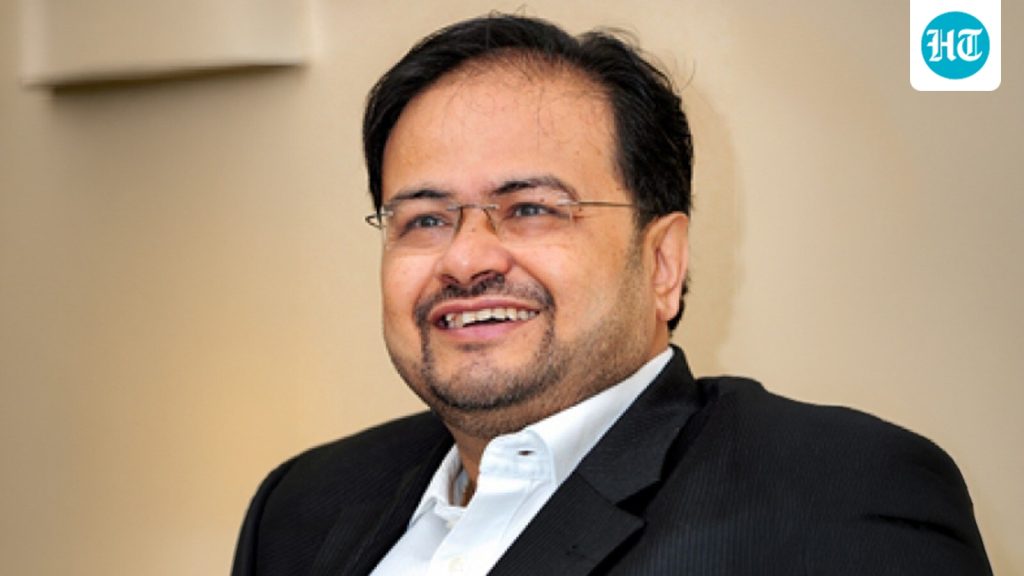
Professor Debashis Chatterjee, Director of IIM Kozhikode, sees this shift as especially important for students preparing for management careers. While qualifications can help graduates enter the job market, progress depends on how well they continue to develop their abilities, engage with people and respond to change.
“The most valuable skill today is perhaps the capacity to continuously acquire new skills while retaining the curiosity, creativity and human sensitivity that technology cannot substitute.”
Looking beyond rankings when selecting a business school
Choosing a management institution is about more than selecting a programme or earning a credential. It is also a decision about the setting in which students will develop their approach to work, leadership and problem-solving.
Rankings, placement records and institutional reputation matter, but they offer only one view of a campus. Students should also consider an institution’s history, values and learning culture. Questions about faculty quality and accessibility, peer interaction and opportunities outside conventional classroom study can be equally significant.
Management education deals fundamentally with people, organisations and society. For that reason, a learning environment that brings together students with varied experiences and viewpoints can be especially valuable. Exposure to different perspectives can help future managers recognise complexity, communicate across differences and make better-informed decisions.
Gender diversity is part of that broader educational experience. IIM Kozhikode was the first Indian Institute of Management to have a batch in which women formed the majority. Professor Chatterjee said this development has helped encourage more young women to see themselves as part of the IIM ecosystem.
For prospective students, the practical implication is clear: a campus should be assessed not only by what it promises after graduation, but by how it shapes the student during the programme. The stronger institutions are likely to combine professional preparation with opportunities for reflection, teamwork and responsible leadership.
Technology can assist learning, but cannot replace human judgement
Artificial intelligence is changing both classrooms and workplaces, making it easier to access information, generate ideas and automate certain tasks. Yet the growing presence of AI also increases the importance of capabilities that remain distinctly human.
Students need to use technology intelligently without becoming dependent on it for every answer. The ability to frame a problem, test assumptions, evaluate information and ask meaningful questions remains essential. When technology can generate a quick response, human value increasingly lies in deciding whether the response is useful, reliable and appropriate.
Critical thinking therefore remains a core part of management education. Future leaders will need to make decisions in situations where information is incomplete, priorities conflict and the consequences affect many people. These are not challenges that can be addressed by technical knowledge alone.
Creativity is another area of growing importance. AI tools may help produce options or organise information, but they do not remove the need for imagination. Students who can approach a challenge from an unusual angle, identify overlooked possibilities and connect ideas across disciplines may be better equipped for changing professional demands.
Soft skills and emotional intelligence matter
Communication, collaboration, empathy, resilience and comfort with ambiguity are among the skills students need to strengthen. These abilities influence how people work in teams, build trust and manage difficult conversations—areas that remain critical in organisations of every kind.
Professor Chatterjee also highlights the importance of emotional quotient, or EQ. Alongside intellectual ability, students need the self-awareness to understand their own responses, the maturity to relate to others and the judgement to act thoughtfully in complex situations.
Such skills are not separate from career readiness. A technically capable employee may still struggle if they cannot explain an idea clearly, work with colleagues from different backgrounds or remain effective when plans change. In management roles, these qualities become even more important because decisions often involve balancing business objectives with human concerns.
Resilience should not be understood simply as enduring pressure. It also means learning from setbacks, revising an approach when necessary and remaining open to new knowledge. In a job market where roles and tools can evolve quickly, that mindset can make professional growth more sustainable.
An interdisciplinary route into management
Students without a business or commerce background should not view an MBA as a reason to abandon their original field of study. Instead, their disciplinary knowledge can offer a useful perspective within management education.
A student trained in the humanities, sciences, engineering or another field may bring different ways of analysing problems and understanding people. The challenge is to connect that existing knowledge with management concepts rather than treating the two as unrelated worlds.
IIM Kozhikode’s MBA in Liberal Studies & Management reflects the value of this interdisciplinary approach by bringing together management, liberal arts and the humanities. Such a combination can broaden the way students interpret organisational challenges and consider their wider social context.
The institute’s educational outlook is organised around three intellectual ideas: Satyam, Nityam and Purnam, representing authenticity, sustainability and fulfilment. Professor Chatterjee describes these principles as part of the culture the institution aims to build, rather than as abstract concepts alone.
The objective is to prepare managers who are employable and competent while also being conscious, compassionate and able to create meaningful value. For students, this presents a wider definition of success: career advancement matters, but so do ethical grounding, intellectual depth and sensitivity to the people affected by professional decisions.
A lifelong-learning mindset
The workplace of the future will require more than periodic upgrades to a résumé. Students will need to develop a habit of learning throughout their careers, whether they are adapting to new technologies, taking on unfamiliar responsibilities or working with people whose experiences differ from their own.
Academic achievement can create an opening, but learning agility can determine what happens next. Students who remain curious, receptive to feedback and willing to build new skills are likely to be better prepared for uncertainty than those who rely only on what they already know.
In that sense, management education has a responsibility beyond teaching business tools. It must help students become thoughtful learners and responsible leaders—people able to navigate technological change without losing the creativity, judgement and human connection that organisations continue to need.
Related Reading
Frequently Asked Questions
What is The most valuable skill today is?
The most valuable skill today is is the main topic of this guide. The article explains the context, practical details, and next steps readers should understand.
Why does The most valuable skill today is matter?
The most valuable skill today is matters because readers are looking for a useful answer, not just a short summary. Good content should match search intent and help them decide what to do next.