
New Congressional Bills Target Licensing Barriers for Immigrant Health Professionals
Bharatmorning.com – Two newly introduced bills in the US House of Representatives seek to help immigrant and internationally educated health professionals move into jobs that match their qualifications, as many communities continue to face shortages of doctors, nurses and allied health workers.
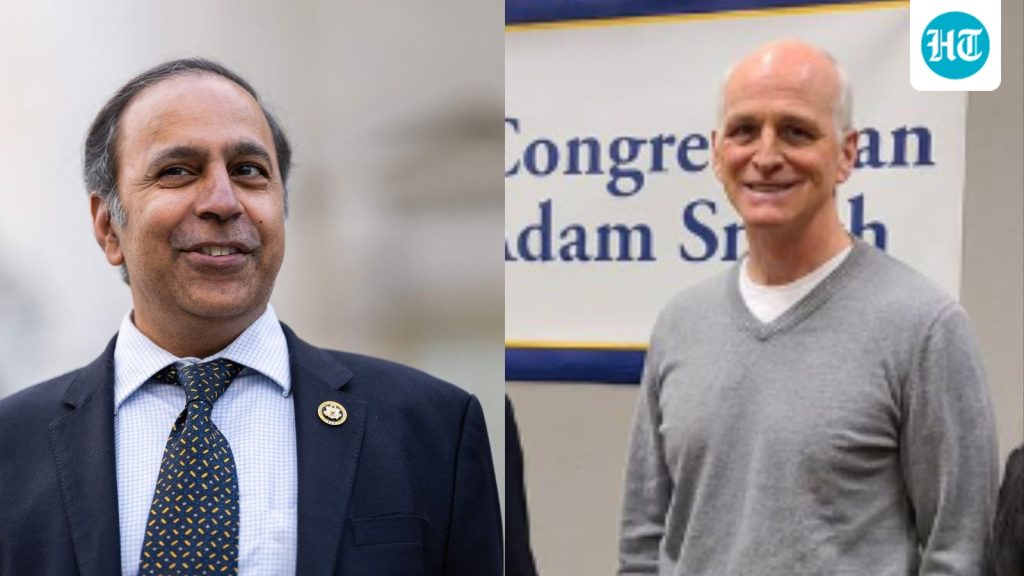
Congressman Raja Krishnamoorthi and Congressman Adam Smith introduced the Immigrants in Nursing and Allied Health Act and the Internationally Trained Physicians Assistance Act on October 1. The measures are designed to address obstacles that can keep trained professionals from entering the American healthcare system, including licensing requirements, examination costs, additional training and certification pathways.
“Skilled doctors, nurses, and other health professionals should have the opportunity to put their training and expertise to work caring for patients,” Krishnamoorthi said. “Our legislation would help qualified immigrants overcome unnecessary barriers to entering the health care workforce while helping communities address critical provider shortages.”
Support for nurses and allied health workers
The Immigrants in Nursing and Allied Health Act would establish grants for programs assisting immigrants who want to work in healthcare. Funding could support training, licensing preparation, certification, case management and related services that help candidates understand and complete the steps needed to qualify for work in the United States.
The proposal covers more than nursing roles. Its scope includes allied health professions such as dental hygiene, dietetics, medical technology, occupational therapy, physical therapy, respiratory therapy and speech-language pathology. These roles are important across hospitals, clinics, rehabilitation facilities and other care settings, where patients often rely on multidisciplinary teams rather than physicians alone.
The bill would also make non-US-citizen immigrants eligible for the National Health Service Corps. That program supports healthcare professionals serving in areas with limited access to medical care. Expanding eligibility could give more qualified immigrants a route into communities that have difficulty attracting and retaining providers.
The need for new nurses is substantial. Smith’s office cited an estimate that roughly 200,000 nurses will need to be hired each year to meet growing demand and replace workers leaving the profession through retirement. For immigrants with prior education or professional experience, the proposed assistance could reduce the gap between arriving in the country and being able to use those skills in a licensed role.
A pathway for internationally trained physicians
The Internationally Trained Physicians Assistance Act focuses on doctors who completed medical education outside the United States. Many such physicians have extensive training and clinical experience, but navigating US licensing can require additional exams, residency training, certifications and other steps before they can practice independently.
The legislation would encourage states to develop temporary licensing programs. Under those programs, internationally trained physicians could provide care under supervision while fulfilling the educational, training and certification requirements for a US medical license. The approach would allow doctors to gain relevant experience while continuing toward full eligibility.
The proposal also calls for guaranteed medical residency positions for internationally trained physicians who work in predominantly medically underserved communities. Residency remains a key stage for doctors seeking to practice in the US, and the availability of residency slots can shape whether qualified physicians are able to continue their careers.
Grant funding under the measure could help applicants manage costs associated with exam preparation, testing, certification, English-language classes and case management. Those expenses can be a major challenge for professionals who may already be working outside their original fields while attempting to re-enter medicine.
Workforce gaps and immigrant underemployment
The bills highlight two related concerns: shortages in healthcare staffing and the underemployment of immigrants with advanced education. A 2022 study by the Migration Policy Institute found that 2.1 million college-educated immigrants were unemployed or working below their skill level. Healthcare is one area where that mismatch can be especially consequential, because licensing rules can prevent trained people from caring for patients even when providers are needed.
The Association of American Medical Colleges has projected that the United States could face a shortage of as many as 48,000 primary care physicians by 2034. Primary care doctors are often the first point of contact for patients and play a central role in preventive care, diagnosis and management of chronic conditions. Limited access can mean longer waits for appointments and fewer options for patients, particularly in underserved locations.
Smith said licensing barriers were preventing trained professionals from applying their expertise while patients experienced increasing delays in receiving care. The proposed bills seek to make existing qualifications more usable without removing the need for training, supervision, examinations or professional standards required in the US system.
Organizations back the proposals
The measures have drawn support from World Education Services, Upwardly Global, the International Medical Graduates Academy, Nashi Immigrants Health Board and the Northwest Immigrant Rights Project. These organizations work in areas connected to immigrant integration, professional credentialing, workforce access and immigrant rights.
For immigrant doctors, nurses and other health professionals, the bills would not create immediate new rights or licensing status. They remain congressional proposals and must pass through Congress before any of their provisions can take effect. If enacted, their impact would also depend on how grant programs are implemented and whether states establish the temporary licensing routes encouraged by the physician-focused bill.
Still, the legislation places renewed attention on a practical question facing the US healthcare system: how to maintain professional standards while helping qualified people who already possess medical or clinical training contribute to patient care. For communities struggling to recruit providers, and for immigrants whose careers have stalled after relocation, the answer could affect both workforce capacity and access to care.
Related Reading
Frequently Asked Questions
What is Raja Krishnamoorthi Adam Smith introduce new bills?
Raja Krishnamoorthi Adam Smith introduce new bills is the main topic of this guide. The article explains the context, practical details, and next steps readers should understand.
Why does Raja Krishnamoorthi Adam Smith introduce new bills matter?
Raja Krishnamoorthi Adam Smith introduce new bills matters because readers are looking for a useful answer, not just a short summary. Good content should match search intent and help them decide what to do next.