
Iran Dismisses Trump Warning of Fresh Military Action
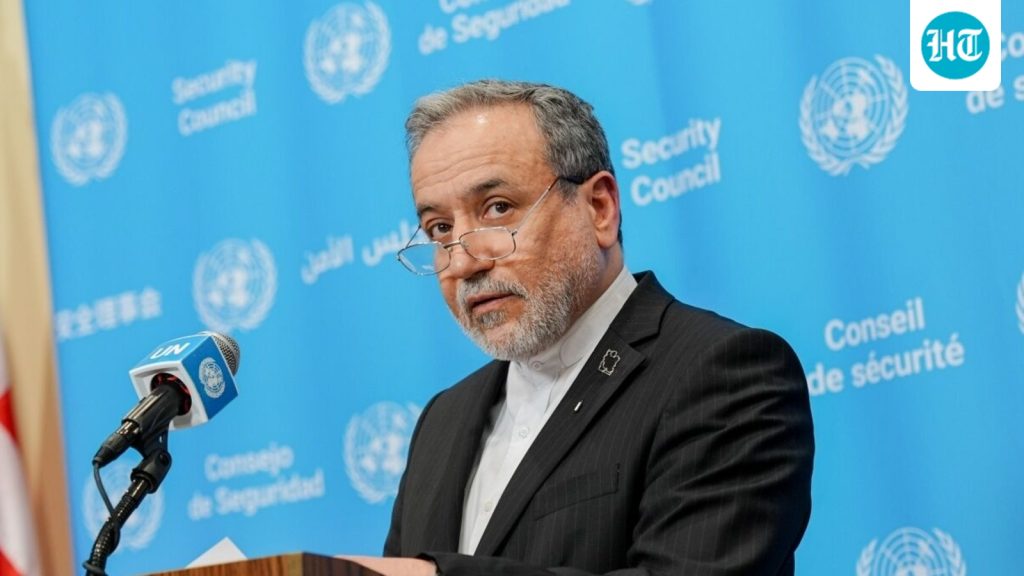
Bharatmorning.com – Iran dismisses Trump warning of fresh military action, with Foreign Minister Abbas Araghchi saying Tehran’s policies would not change even if the United States and Israel launched another attack. He argued that a renewed offensive would be an irrational decision after the recent 40-day conflict.
Speaking at a televised event in Tehran on Sunday, Araghchi said Iran was assessing the wider consequences of the fighting as discussion of another possible escalation continued.
“Today, talk of war is resurfacing again, but… Whether war happens or not, our policies remain in place,”
Iran Warns Against Another Attack
Araghchi said Washington and Israel had already attacked Iran twice and would not secure a different outcome by doing so again. He maintained that Iran dismisses Trump warning of fresh strikes because another military campaign would not alter Tehran’s position.
“If there is any rationality, they will not try military action against Iran again,”
He described the conflict as the “Ramadan War” and said it had reshaped the region’s security environment. According to Araghchi, any lasting settlement would need to address all fronts of the confrontation rather than focus on a single issue.
Strait of Hormuz Remains at the Centre of Tensions
The Iranian foreign minister also focused on the Strait of Hormuz, a strategic waterway used for major oil, gas and commercial shipments. He said the route would not return to the conditions that existed before the conflict.
“The Strait of Hormuz will not be the same as before the 40-day war,”
Iran has asserted control over the passage since the war began and has targeted vessels attempting to cross without permission. The United States and regional countries have opposed those actions, while restrictions on shipping and the continuing naval blockade have kept pressure high.
Any prolonged disruption in the strait could affect energy supplies and trade moving from the Gulf to international markets. Araghchi said Tehran viewed access to the waterway as part of the broader regional security dispute.
Claims Over the Conflict
Araghchi said Iranian forces had destroyed more than 80 US aircraft and fighter jets during the fighting, claiming that nearly all were hit by missiles while on the ground.
“In this war, we destroyed more than 80 American aircraft and fighter jets, nearly all of which were hit by missiles on the ground,”
Iran’s ISNA news agency also reported claims that Iranian attacks devastated almost all US bases in the region and destroyed hundreds of buildings. These claims form part of Tehran’s argument that the conflict changed the military balance and exposed the vulnerability of foreign forces.
Trump Mentions Strikes and a Possible Deal
Iran dismisses Trump warning of fresh attacks after US President Donald Trump said on Saturday that further strikes remained possible, while also raising the prospect of an agreement with Tehran.
“Maybe tomorrow… There’s a possibility I will. There’s also a possibility we’ll have a nice, big, beautiful agreement,”
Trump said Iran wanted an agreement but questioned whether Tehran would meet its commitments. He also praised US naval and military forces, saying they had inflicted extensive damage on Iranian military capabilities.
Trump further claimed that 259 ships had been sunk and that Iran was facing record inflation. The statements highlighted the sharply different accounts offered by Washington and Tehran over the outcome of the conflict.
Ceasefire Has Not Resolved the Dispute
The current tensions followed the February 28 US-Israeli bombing campaign against Iran, which included the assassination of Iran’s Supreme Leader and senior officials. Tehran responded by striking US bases in the Gulf and closing the Strait of Hormuz.
A ceasefire between Iran and the United States on April 8 halted sustained bombardment, but it did not resolve the dispute over regional security, foreign military forces or maritime access.
FAQ
What did Iran say about possible new US strikes?
Araghchi said Iran’s policies would remain unchanged and argued that another military attack would be irrational.
Why is the Strait of Hormuz important?
The waterway is a major route for oil, gas and commercial cargo travelling from the Gulf to global markets. Disruption there can affect energy trade and shipping.
Has the ceasefire ended regional tensions?
No. Although the April 8 ceasefire stopped sustained bombardment, major disagreements over security, military forces and shipping access remain unresolved.