
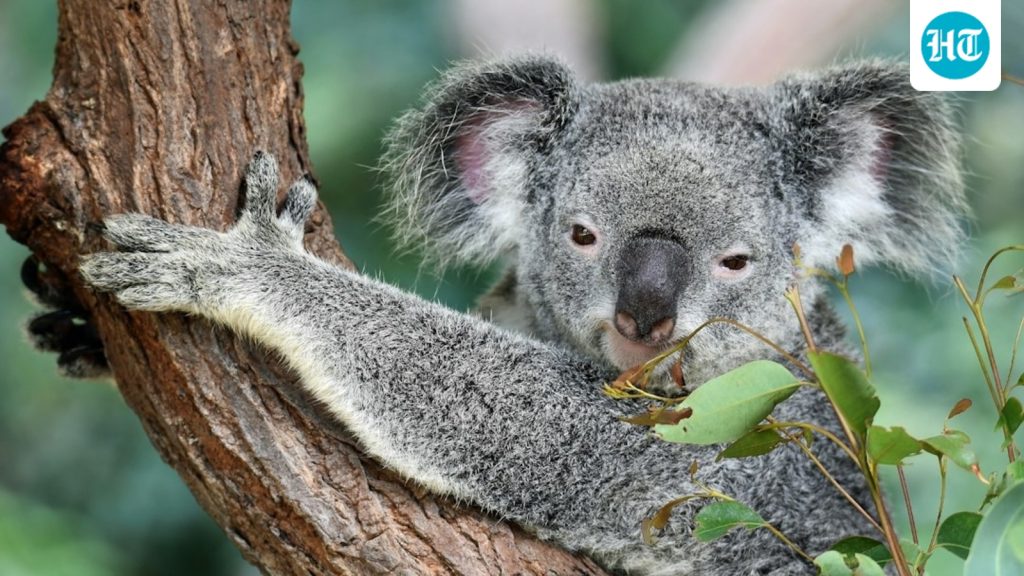
A Long-Term Plan for Koalas Takes Root in Queensland
Bharatmorning.com – At Ironbark Station in Blackbutt, Queensland, conservation has unfolded over decades rather than in a single dramatic moment. The property became part of Australia Zoo’s conservation work in 1994, when Steve and Terri Irwin purchased 3,500 acres with the aim of rebuilding koala habitat and helping local populations recover.
The project began with a major practical step: 44,000 eucalyptus trees were planted soon after the land was acquired. For koalas, restoring an area is not simply a matter of adding more trees to a landscape. Suitable habitat needs to provide reliable food, shelter and connected spaces where animals can move safely. Establishing those conditions can take many years of care.
Ironbark Station has also grown beyond its original boundaries. An additional 1,630 acres has been added for wildlife conservation, expanding the protected area and giving restoration efforts more room to develop. The increase highlights an important part of land conservation: securing a property is only the beginning. The larger commitment lies in maintaining and improving it over time.
Habitat Restoration Goes Beyond Tree Planting
Revegetation is often viewed as a straightforward answer to environmental decline, but healthy koala habitat depends on much more than the number of seedlings placed in the ground. Plant choice, site conditions, food availability and the connections between patches of bushland all affect whether a restored area can support wildlife in the long run.
A 2022 guide prepared by Phillipa Beale, Karen Marsh and Kara Youngentob for the Australian government’s environment department addresses those challenges for people working on koala habitat restoration. Its recommendations draw on peer-reviewed research into koala nutrition and habitat needs, offering practical guidance for landscape managers and restoration teams.
The broader lesson is that effective restoration requires planning for what happens after planting day. Trees need time to establish. Native vegetation must be protected as it grows. Wildlife needs access to places where it can feed and take cover. A project can look promising at the start, yet still require years of monitoring and adjustment before it becomes a functioning habitat.
That reality is central to the work at Ironbark Station. Australia Zoo continues to pursue Steve Irwin’s goal of helping koala numbers return to levels that once flourished in the area. It is an ongoing effort, not a completed success story.
Removing Barriers for Native Wildlife
Invasive plants and weeds remain a significant challenge on the property. They can interrupt the movement of native animals seeking food or shelter, while also creating conditions that leave koalas more exposed to attacks from wild animals. Removing those plants is therefore part of restoring the landscape, not a side project separate from conservation.
A Queensland government grant was awarded to support weed removal at Ironbark Station. The difficult terrain makes the task more complicated, requiring specialised equipment and a substantial amount of time. Such work is less visible than planting thousands of trees, but it can be just as important. Native plants cannot fully reclaim an area if invasive species continue to dominate the ground and restrict access through the habitat.
The 2022 restoration guidance similarly recognizes that planting alone cannot address every threat affecting koala habitat. Restoration projects may need to confront several pressures at once, including vegetation loss, fragmented landscapes and invasive species. A site becomes more resilient when these connected problems are considered together.
What a Large Conservation Project Can Teach Individuals
Few people have access to thousands of acres or the resources to plant tens of thousands of trees. Still, the principles behind the Ironbark project can apply at a much smaller scale. A balcony plant, a backyard native garden or participation in a community planting event can encourage the same habit of thinking beyond the first action.
The most useful question is not only what should be planted, but what will happen afterward. Will the plant suit the local climate and conditions? Will someone water, protect and monitor it while it becomes established? Does a community project have a plan to manage weeds and care for the site after volunteers leave?
Choosing native species that fit a local area can be more valuable than selecting plants solely for appearance. Native vegetation may be better adapted to regional conditions and can contribute to the habitats used by local wildlife. People considering a donation or volunteer opportunity can also look for projects that include long-term maintenance, rather than focusing only on the number of trees planted.
Ironbark Station offers a clear example of conservation as persistence. The work has involved acquiring land, expanding its protected area, planting eucalyptus trees, dealing with invasive vegetation and continuing to work toward a larger ecological goal. Nearly three decades after the original purchase, the project remains a reminder that habitat recovery is measured not only by ambitious beginnings, but by the willingness to continue caring for a place year after year.
Related Reading
Frequently Asked Questions
What is How Steve and Terri Irwin turned?
How Steve and Terri Irwin turned is the main topic of this guide. The article explains the context, practical details, and next steps readers should understand.
Why does How Steve and Terri Irwin turned matter?
How Steve and Terri Irwin turned matters because readers are looking for a useful answer, not just a short summary. Good content should match search intent and help them decide what to do next.