
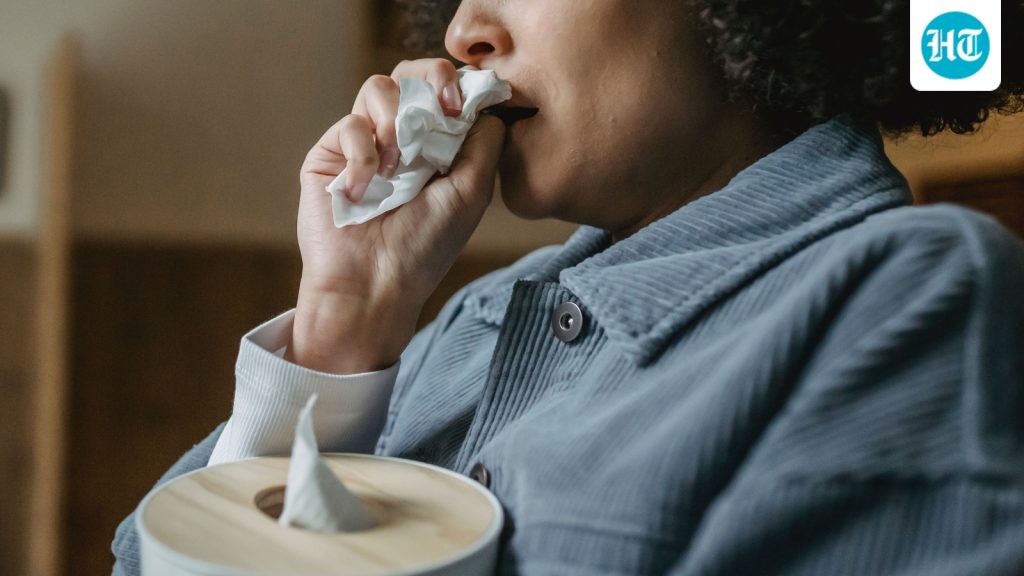
When Seasonal Allergy Symptoms Could Signal a Lung Problem
Bharatmorning.com – A pulmonologist warns against symptoms that are easily dismissed as seasonal allergies, particularly during the months when air pollution rises across North India. Sneezing, watery eyes, throat irritation and coughing can occur with allergies, but persistent or severe symptoms may need medical attention.
Dr Amit Kumar Mandal, senior director of pulmonology at Paras Health, Panchkula, says poor air quality can make the distinction harder. From October to February, pollution levels often worsen, and the respiratory system may react to polluted air in ways that resemble an allergy.
“Across much of North India, air quality deteriorates sharply between October and February, and a significant share of what passes for allergy is the respiratory system reacting to polluted air,” Dr Mandal said.
Why air pollution can feel like an allergy
Fine particulate matter, or PM2.5, can travel deep into the lungs and enter the bloodstream. It may irritate and inflame the airways, leading to sneezing, a sore throat, watery eyes and coughing. Pollution can also increase sensitivity to dust and pollen, making mild seasonal symptoms feel more intense or long-lasting.
The health effects of air pollution extend beyond temporary irritation. The State of Global Air 2025 report estimated that air pollution was associated with around two million deaths in India in 2023, with nearly nine out of 10 linked to non-communicable conditions such as heart disease, lung disease and cancer.
A lingering cough should not be ignored
A cough caused by an uncomplicated allergy generally improves when exposure to the trigger falls. A cough that continues for more than two to three weeks, however, should not automatically be treated as a seasonal complaint. It may need assessment to rule out asthma, chronic bronchitis, an infection or tuberculosis.
Seek medical advice sooner if a cough interrupts sleep, produces mucus, brings up blood or is accompanied by unexplained weight loss. Recording when symptoms began, whether they worsen indoors or outdoors, and which exposures seem to trigger them can help a doctor identify the pattern.
A pulmonologist warns against symptoms that persist despite rest and basic allergy measures. A cough that only appears around dust or pollen may behave differently from one that continues at home, occurs at night or steadily gets worse.
Wheezing and breathlessness need prompt attention
Itchy eyes and sneezing are common allergy features, but wheezing, chest tightness and shortness of breath are more concerning. Feeling breathless while walking at a usual pace, climbing stairs or doing everyday tasks can point to airway disease that pollution may trigger or aggravate.
“They suggest airway disease that polluted air is known to trigger and worsen,” Dr Mandal said.
Chest pain, palpitations, bluish lips or difficulty speaking in full sentences require emergency care. These signs should not be managed at home with over-the-counter medicines, as they may indicate that breathing or circulation is being seriously affected.
Fever, facial pain and eye pain are warning signs
Allergies do not cause fever. A fever with nasal blockage, facial pressure or facial pain may suggest a sinus or respiratory infection. Congestion lasting longer than 10 days, or symptoms that improve briefly before worsening again, are also reasons to consult a healthcare professional.
Pollution may cause itchy or irritated eyes, but eye pain, blurred vision or redness that does not go away should be checked by a doctor. Frequent use of non-prescription eye drops can mask a problem without treating its underlying cause.
Frequently Asked Questions
When should I see a doctor for presumed seasonal allergies?
See a doctor if symptoms last beyond two to three weeks, repeatedly disturb sleep, worsen over time or do not improve after reducing exposure to likely triggers. Medical advice is especially important for coughing with mucus, blood or unexplained weight loss.
Can Delhi-NCR air pollution worsen allergy symptoms?
Yes. During periods of poor air quality in Delhi-NCR and other parts of North India, pollutants can irritate the airways and increase sensitivity to dust and pollen. This can make existing allergy symptoms more persistent or severe.
Are wheezing and breathlessness caused by allergies?
They can occur in some people with allergic asthma, but they should not be assumed to be ordinary allergy symptoms. Recurring wheezing, chest tightness or breathlessness during routine activity should be evaluated by a medical professional.
What symptoms need emergency treatment?
Get urgent medical help for chest pain, palpitations, bluish lips, severe breathlessness or difficulty speaking in complete sentences. A pulmonologist warns against symptoms that may indicate more than a routine seasonal allergy.