
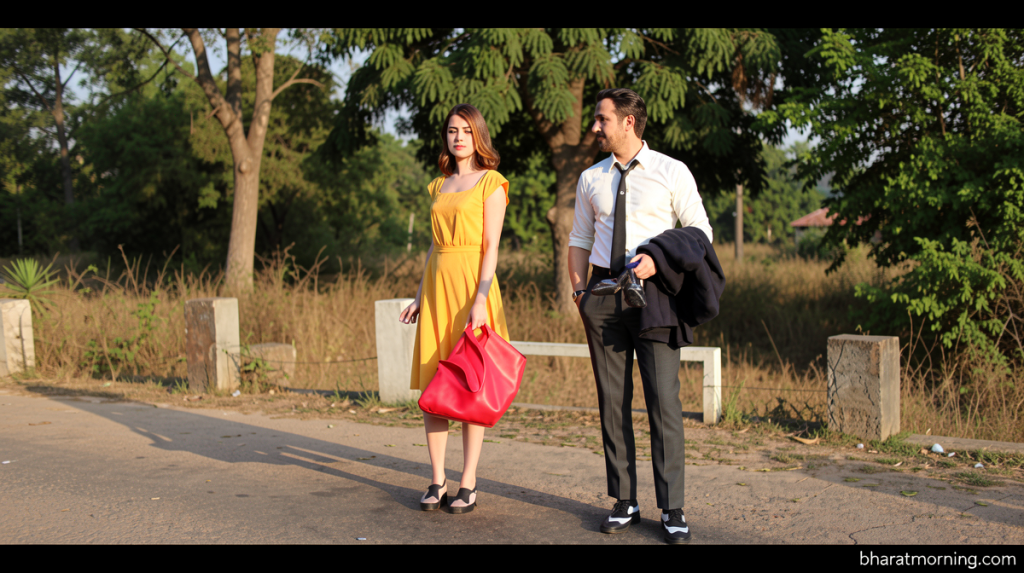
When Love Survives Everything Except the Question of Forever
Bharatmorning.com – Relationship counsellors encounter a recurring pattern: two people who have built years of genuine intimacy, shared daily life, and mutual devotion, yet one partner freezes at the threshold of formal commitment. The fear is not about the other person. It is about what the institution of marriage might do to the shape of their bond. And in the worst cases, that fear becomes the very thing that unravels a relationship that had no other flaw.
Simran Mangharam, a dating and relationship coach based in India, has walked clients through this exact wound. She describes one case that still stays with her — a story she tells not to name names but to illustrate how a single unexamined anxiety can eclipse a decade of shared life.
The Couple Behind the Story
The woman, whom Mangharam calls Rinny, is a 38-year-old lawyer. The man, Kris, was her college classmate. Their connection did not ignite overnight. It developed through internships at the same law firm, where a deep friendship took root first. Trust came before affection, and affection before the sharper edge of physical attraction. By the time they acknowledged what was happening between them, the foundation was already solid.
After college, the two began their professional careers at the same firm. Families, already close to both, were delighted when the couple announced — roughly a year into their relationship — that they would be moving in together. Friends and relatives quickly settled into the assumption that this pairing was permanent. The joke ran that Rinny and Kris were a single unit: wherever one appeared, the other would follow.
Four Years of Shared Life
Living together for four years deepened the bond in ways neither partner had anticipated. They showed up at each other’s parental homes during festivals and during family illnesses. They learned the names and temperaments of each other’s cousins. They developed what Mangharam describes as healthy conflict patterns — moving from raw, bitter exchanges toward measured, structured argument, a shift that most long-term couples eventually negotiate.
By the time Kris began raising the subject of marriage, the relationship had weathered every ordinary stress. There was no infidelity, no financial collapse, no external sabotage. The only variable that entered the equation was the word itself: marriage.
The Panic
Rinny’s response was immediate and repeated. It was too large a step, she told him, over and over. Kris, who had spent six years believing they were aligned on every major question, found himself hearing a partner he did not recognise. For the first time, the two were not on the same page. Arguments followed, then silence, then a deep, quiet hurt that neither could name precisely.
The gap proved impossible to close. Rinny was heartbroken. Kris, devastated, left his job and relocated to another city. The relationship ended not because of what was wrong between them, but because of what one of them feared might become wrong.
Ten Years Later
A decade has passed. Rinny has dated intermittently but has not entered another serious partnership. She tells Mangharam she still loves Kris and regrets following through on her decision not to marry. At the same time, she points out that many women share her wariness of the institution. They worry that formalising the bond will introduce predetermined roles, shift expectations from family and spouse, and alter the dynamic they had carefully built.
“I’ve seen people who lived together and were perfectly happy, as we were, tie the knot. And then expectations change,” she says. “From family, from their spouse, even from themselves.”
She does not know whether she and Kris would have been immune to that pressure. But she is beginning to wish she had tried.
The Broader Pattern
Mangharam notes that fear of being consumed by a partnership, insecurity about how change will reshape one’s identity, and a general sense of being overwhelmed are among the most frequently encountered emotions in her practice. These feelings are real. They are not irrational. But they do not have to function as a breaking point. A couple that recognises the fear early and addresses it with professional guidance can often find a path forward that neither partner could see alone.
There are, she argues, numerous ways around such an impasse. Partners might continue cohabiting and build their own rituals of commitment. They might marry while adhering to a privately negotiated pact that protects the aspects of their relationship they value most. An experienced counsellor, brought in before the final decision is made, can reframe the conversation and alter the trajectory of two lives that were otherwise heading toward an irreversible split.
What Remains After the Damage
Once the separation has occurred, the work shifts. Mangharam’s role becomes helping the client process grief, examine the what-ifs without becoming trapped by them, and remain open to the possibility that another meaningful love may arrive. She admits the pain of sitting across from a client at that stage — the knowledge that a preventable loss has already calcified into a decade of quiet regret.
Her message to readers who recognise themselves in Rinny’s story is direct: talk to someone trained to help. No professional can guarantee a particular outcome, and Mangharam is careful to say so. But at least the person who sought help will know they did everything within their power before the door closed.
A Note on the Cinema of Walking Away
Screenwriters have long been drawn to this particular tragedy. Casablanca (1942) built its entire emotional architecture around two people who love each other and choose separation. The Remains of the Day (1993) explored a lifetime of restraint mistaken for duty. La La Land (2016) framed the loss as a quiet, almost bureaucratic accident of timing. Each film asks the audience to grieve a choice that, in real life, might have been a conversation away from being undone.
The difference between the cinema version and the lived version is that the credits roll. In life, the next ten years belong to the person who walked away, and the question they carry is not dramatic. It is simply: could I have said the thing, asked for help, tried one more time?
Simran Mangharam can be reached at simran@floh.in. The views expressed here are personal.
Related Reading
Frequently Asked Questions
What is Do you really need to take?
Do you really need to take is the main topic of this guide. The article explains the context, practical details, and next steps readers should understand.
Why does Do you really need to take matter?
Do you really need to take matters because readers are looking for a useful answer, not just a short summary. Good content should match search intent and help them decide what to do next.