
Cleanup Effort Resumes as Garbage Returns to Ajnar River
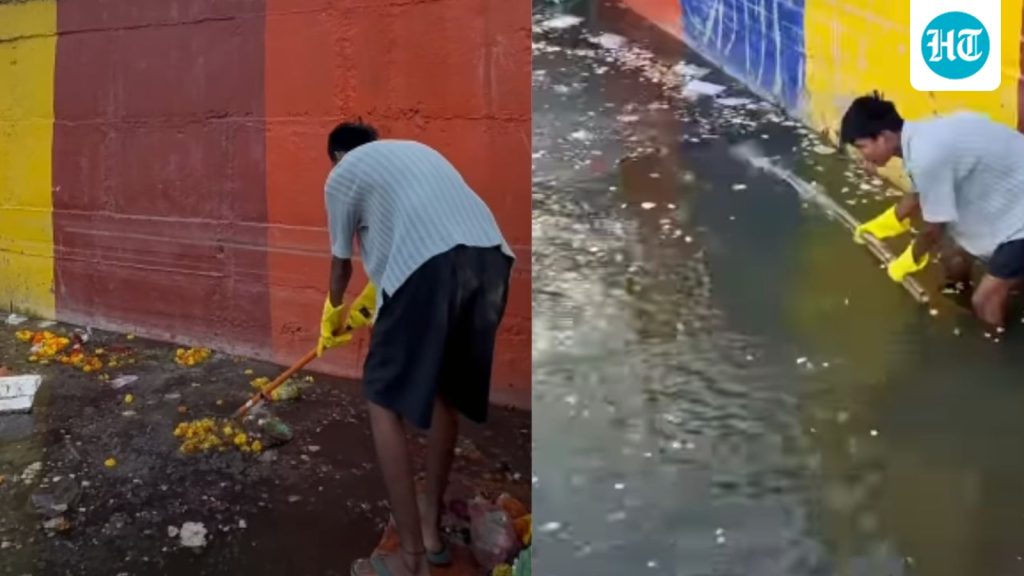
Bharatmorning.com – Plastic bags and other discarded waste have once again collected along the Ajnar River in Madhya Pradesh’s Rajgarh district, creating a painful setback for Surendra Singh Choudhary, the river-cleaning volunteer widely known as “Bittu Tabahi.”
Choudhary shared a video of the polluted riverbank on Instagram on Tuesday, showing waste scattered near and inside the waterway only weeks after an extensive cleanup. The images have prompted fresh concern over littering, public participation and the difficulty of protecting rivers after they have been cleared.
For eight months, Choudhary had worked to remove tonnes of rubbish from the Ajnar River. His effort was carried out alone and without specialised cleaning equipment, making the return of waste especially discouraging.
“I never imagined that eight months of my hard work would go to waste like this,” Bittu wrote in the caption.
A renewed effort despite disappointment
Rather than walking away from the task, Choudhary returned to the river and began collecting garbage again. Though he is not a strong swimmer, he entered the water to retrieve waste, removing it one bag at a time.
The video captures the challenge faced by people who lead local environmental cleanups: removing existing rubbish is only one part of the work. Keeping an area clean also depends on preventing new waste from being dumped or left behind after a cleanup is finished.
Choudhary asked users on social media to share practical suggestions that could help remove more garbage from the Ajnar River efficiently. His appeal has shifted attention beyond the individual cleanup effort to the wider need for community awareness and regular waste management around water bodies.
Why recurring river pollution matters
Rivers and their banks can quickly become collection points for plastic packaging, household refuse and other litter when waste is not disposed of responsibly. Once rubbish enters or gathers near a river, it can be difficult to remove, particularly where cleanup workers have limited equipment, support or access to safe collection systems.
The situation at the Ajnar River also illustrates why occasional drives, while valuable, may not be enough on their own. A sustained response can require people living near a water body to avoid throwing waste into it, visitors to carry their litter away, and local cleanup efforts to be supported over time.
For volunteers such as Choudhary, the physical burden is considerable. His months of work had already demonstrated persistence in the face of a large cleanup task. The rapid return of rubbish shows how easily progress can be undone when everyday habits do not change alongside cleanup activity.
Public responsibility at the centre of the debate
The latest video has renewed an online conversation about civic responsibility. People often notice pollution only after it becomes visibly severe, but preventing it begins much earlier—with how garbage is handled at homes, markets, roadsides and public spaces near waterways.
Even small pieces of litter can accumulate when they are repeatedly left in the same area. Plastic bags are particularly visible along riverbanks, where they can be caught in vegetation or carried by flowing water. Removing them later requires time, care and, in some cases, people willing to enter difficult conditions.
Choudhary’s decision to continue working despite his disappointment has become the central message of the episode. His response was not simply to document the setback; he resumed the difficult process of clearing the river.
The Ajnar River cleanup now stands as a reminder that environmental protection is not a one-time achievement. Individual determination can begin a change, but lasting results depend on many people choosing not to pollute the places that volunteers and communities are trying to restore.
As Choudhary continues to seek ideas for a more effective cleanup, the most immediate lesson remains clear: keeping a river clean is far easier than repeatedly recovering it from garbage.
Related Reading
Frequently Asked Questions
What is 8 months of hard work wasted?
8 months of hard work wasted is the main topic of this guide. The article explains the context, practical details, and next steps readers should understand.
Why does 8 months of hard work wasted matter?
8 months of hard work wasted matters because readers are looking for a useful answer, not just a short summary. Good content should match search intent and help them decide what to do next.