
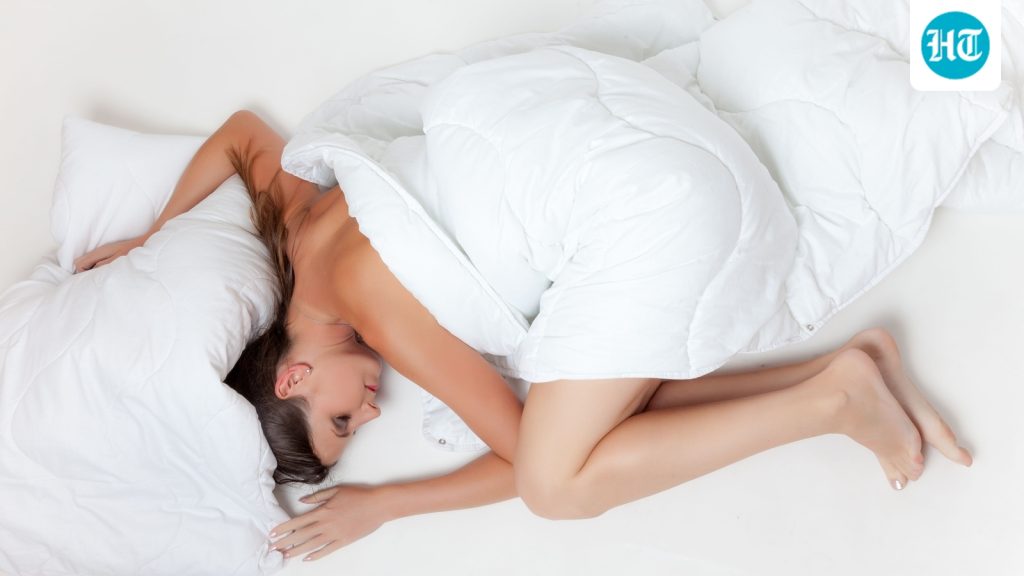
Which Sleeping Positions Are Better for Your Heart
Bharatmorning.com – For anyone managing a cardiac condition, the answer to which sleeping positions are better can shape how well you recover overnight. The heart never truly rests — it keeps circulating blood, sustaining pressure, and repairing micro-damage from the day. When that organ is weakened by muscle damage, valve failure, or chronic fluid buildup, the angle at which you recline each night can determine whether you wake refreshed or gasping.
Cardio-thoracic surgeon Dr Saurabh Juneja, director and head of CTVS and Cardiac Sciences at ISIC Multispeciality Hospital, New Delhi, fielded the question regularly in clinic and clarified that no single posture serves every patient. His guidance centres on symptom relief rather than a rigid anatomical rule.
Why Gravity and Fluid Shift Make Posture a Cardiac Variable
Reclining flat sends a surge of venous blood back into the thorax, raising preload on ventricles already working at reduced capacity. In someone with a low ejection fraction or pulmonary congestion, that extra volume can trigger breathlessness within minutes. Raising the upper body by even a few degrees eases diaphragmatic movement and lets the lungs inflate more fully, which is why elevation often outperforms any lateral choice.
“There is no single sleeping position that is best for every heart patient. The right position depends on the individual’s heart condition, breathing problems and symptoms. However, some positions may offer better comfort and help reduce breathing difficulties.” — Dr Saurabh Juneja
Side-Sleeping, Supine Rest, and the Face-Down Question
Left-side sleeping is frequently touted in popular articles as the default “cardiac-safe” posture, on the theory that it relieves hepatic compression of the left ventricle. When patients ask which sleeping positions are better, Dr Juneja’s first question is always about their specific symptoms. He confirmed that many patients do breathe more easily in a lateral orientation, especially when the head and shoulders are slightly raised, but cautioned that right-sided failure, pulmonary hypertension, or a particular valvular lesion may make the opposite side more tolerable. The deciding factor is personal symptom response, not a textbook diagram.
Supine rest is not categorically forbidden. Patients whose condition is stable on medication often find back-sleeping comfortable and symptom-free. The danger appears when fluid overload or decompensated failure is present: full supine positioning can provoke orthopnoea — the urgent need to sit upright to breathe — within minutes.
“But those with certain heart problems, especially those with fluid accumulation or heart failure, may end up being more breathless if they lie completely flat.” — Dr Saurabh Juneja
Face-down sleeping presses directly on the anterior chest wall and restricts thoracic expansion. Dr Juneja identified it as the posture most likely to provoke discomfort in cardiac patients, while stopping short of declaring it universally prohibited.
“No position is absolutely forbidden for all heart patients. For some, however, it’s not comfortable to sleep on the belly, especially if it causes pressure on the chest or breathing problems.” — Dr Saurabh Juneja
When Posture Is Not the Real Problem
A key distinction Dr Juneja stressed separates mild positional discomfort from signs of worsening cardiac status. If you find yourself stacking multiple pillows just to achieve a tolerable angle, waking repeatedly to gasp, or noticing breathlessness that creeps earlier into the evening, the issue is likely disease progression rather than geometry. In that scenario, which sleeping positions are better becomes secondary to getting a timely cardiology review.
FAQ: Practical Questions About Sleeping and Heart Health
Can I use an adjustable bed instead of stacking pillows? Yes. Dr Juneja noted that an adjustable bed or wedge pillow raising the upper body by roughly 15–30 degrees is functionally equivalent to multiple pillows and often more comfortable for sustained overnight use.
Is left-side sleeping mandatory for every heart patient? No. While many patients report easier breathing on the left side, those with right-sided failure or specific valvular lesions may tolerate the right side better. Choose the orientation that minimises your own breathlessness.
What should I do if I wake up gasping? Sit upright immediately, take prescribed rescue medication if directed by your cardiologist, and log the episode. Recurrent nocturnal gasping warrants an urgent