
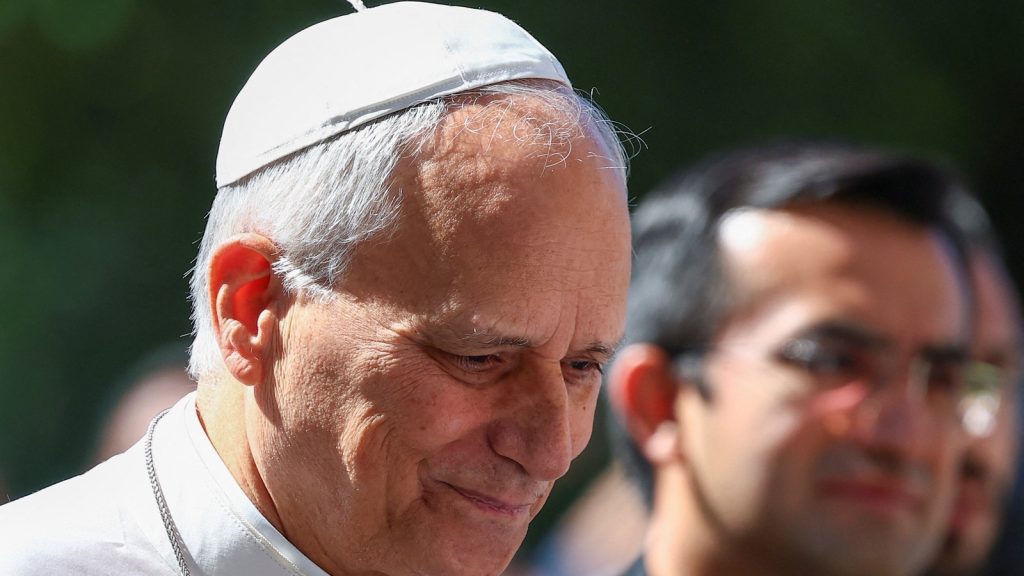
Pope Leo XIV undergoes surgery after lung cancer diagnosis
Bharatmorning.com – Pope Leo XIV has undergone surgery for lung cancer after doctors removed the lower lobe of his right lung, the Vatican confirmed in a medical update. The 71-year-old pontiff was treated at Rome’s Gemelli hospital after a lung nodule was identified during a checkup.
The procedure was completed as planned and did not result in complications. Vatican officials said the Pope recovered normally from anaesthesia and returned to his room following a short observation period.
“The Holy Father underwent thoracic surgery as scheduled. To ensure a radical procedure, the lower lobe of the right lung was removed using a video-assisted technique. The intraoperative histological examination confirmed the diagnosis of lung adenocarcinoma, as suspected by the pre-operative tests. The Holy Father was in the operating theatre for approximately three hours; the operation itself lasted about ninety minutes. The operation was successful and there were no complications. Following the operation, the Pope woke up normally and, after a brief period of observation, returned to his room on the tenth floor.”
Medical team and recovery plans
The operation was led by Professor Stefano Margaritora. He was assisted by Professor Elisa Meacci, Dr Maria Teresa Congedo and Dr Leonardo Petracca Caravella. Professor Massimo Antonelli, Dr Giovanni Punzo and Dr Giuseppe Bello made up the anaesthesia team.
The Pope had disclosed days earlier that he would need an operation after the nodule was detected. He left the Vatican shortly before 1 p.m. for the journey to Gemelli hospital, travelling in a black SUV. On arrival, he greeted officials and well-wishers before entering through the main entrance.
His public calendar has been cleared through October 20 as he recovers in hospital. The Vatican had anticipated that his stay would last about a week. An 11-day visit to Uruguay, Argentina and Peru remains scheduled for November 6 to 17.
Pope Leo has not been known to smoke and had not recently been publicly linked to other illnesses. The immediate focus will be on his post-operative recovery and the medical guidance that follows the surgery.
What lung adenocarcinoma means
The diagnosis confirmed during the operation was lung adenocarcinoma, a cancer that begins in gland-forming cells. Adenocarcinoma can develop in several organs, including the lungs, breast, colon and rectum, oesophagus, pancreas, prostate and stomach.
Within the lungs, adenocarcinoma is a form of non-small cell lung cancer. It may arise in the outer portions of the lung and is not limited to people with a history of smoking. A diagnosis and treatment plan depend on a range of clinical findings, including imaging, tissue examination and the extent of disease identified by a medical team.
In the Pope’s case, doctors removed the right lung’s lower lobe using a video-assisted surgical method. This approach uses small incisions and specialised instruments to allow surgeons to operate within the chest. The Vatican described the procedure as radical, a term used in surgery to indicate an effort to remove the disease completely.
The confirmation of adenocarcinoma came from an intraoperative histological examination, meaning tissue was assessed during the procedure. Such testing can help a surgical team make decisions while the patient is still in the operating room.
Possible symptoms and the importance of assessment
Lung adenocarcinoma may produce no obvious symptoms at an early stage. When symptoms do emerge, a persistent cough is among the signs that can prompt medical evaluation. Some people may also experience coughing up mucus or small amounts of blood, shortness of breath, chest discomfort, wheezing or hoarseness.
These symptoms do not by themselves establish cancer and can occur in many other health conditions. Persistent or worsening respiratory symptoms should be discussed with a qualified healthcare professional, particularly when they interfere with daily activity or are accompanied by blood in mucus, unexplained weight changes or continuing chest pain.
The Pope’s operation illustrates how an abnormal finding during a medical examination can lead to further testing and treatment. His case also places renewed attention on the importance of timely assessment when clinicians identify a lung nodule or another unexpected change.
A pause in public duties
As head of the Catholic Church, Pope Leo’s hospitalisation has required a temporary halt to public engagements. The cancellation of events through October 20 gives him time for recovery after major thoracic surgery, while Vatican officials monitor his condition and provide further updates.
The successful conclusion of the operation is an important early milestone. Recovery from lung surgery can involve careful follow-up, pain management, breathing exercises and gradual resumption of activity, with the precise course determined by each patient’s condition and medical advice.
For now, the Vatican’s statement presents a clear picture: the planned procedure was completed, the cancer diagnosis was confirmed during surgery, and Pope Leo returned to his hospital room without immediate complications.
Related Reading
Frequently Asked Questions
What is Pope Leo XIV has lung cancer?
Pope Leo XIV has lung cancer is the main topic of this guide. The article explains the context, practical details, and next steps readers should understand.
Why does Pope Leo XIV has lung cancer matter?
Pope Leo XIV has lung cancer matters because readers are looking for a useful answer, not just a short summary. Good content should match search intent and help them decide what to do next.